Craft & Heritage
The Story of Traditional Block Printing
Wood, dye and repetition — the processes behind Rajasthan's block-printed textiles, and why provenance matters.
· 2 min read
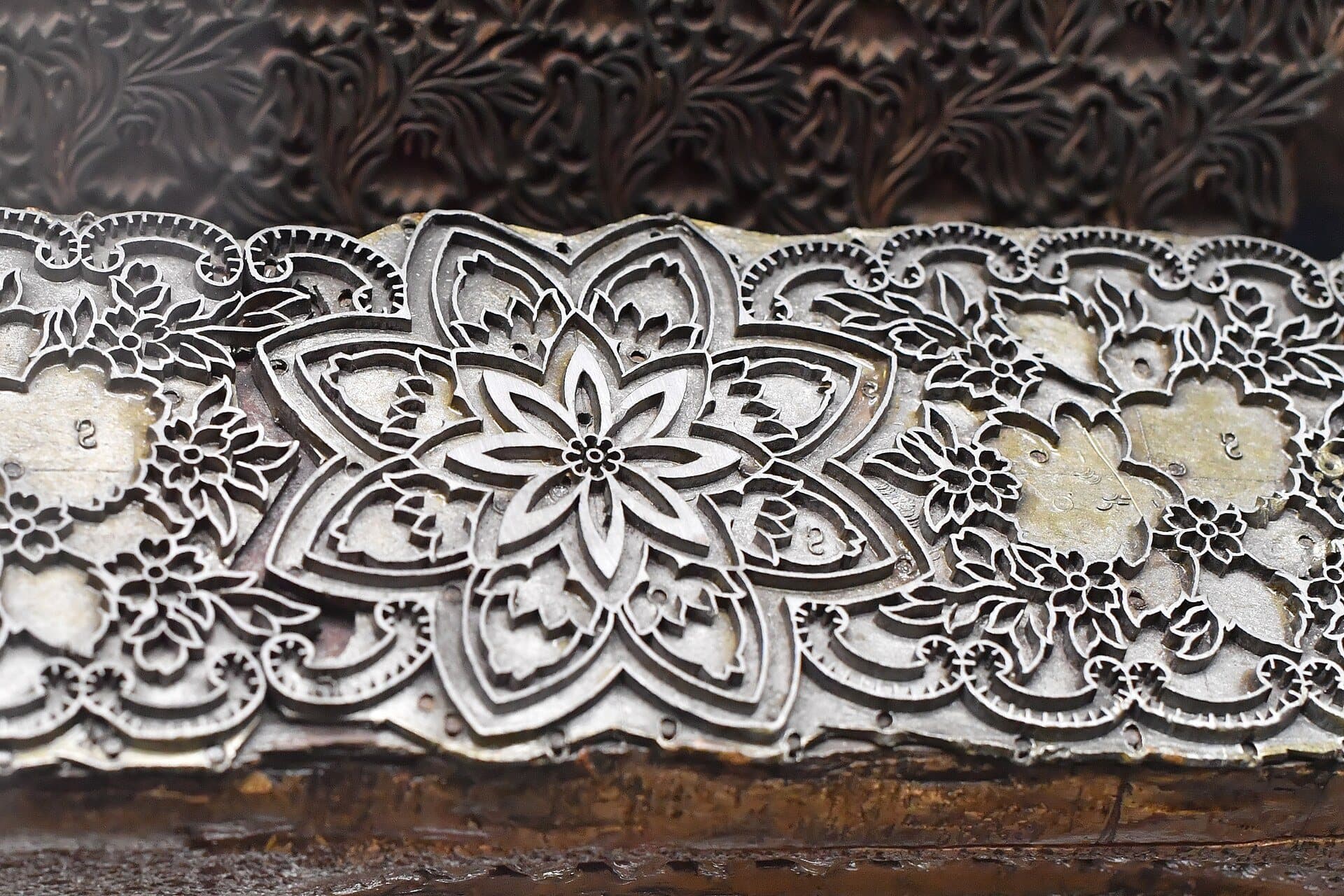
Block printing — pressing a carved, dye-charged block onto cloth — is among the oldest ways of decorating textiles. In Rajasthan it remains a living craft, practised in centres such as Sanganer and Bagru near Jaipur, and closely associated with communities of printers known as Chhipa.
The block
Blocks are carved by hand from seasoned wood. A single design may require a set of blocks: one for the outline and one for each colour that fills it. The carving determines everything that follows — the sharpness of the line, the weight of the colour, the way the repeat locks together.
Direct printing and resist printing
There are two broad approaches.
- Direct printing applies colour straight onto the cloth with the block.
- Resist printing applies a substance that prevents dye from reaching parts of the cloth. When the cloth is then dyed — for instance in indigo — the protected areas remain lighter. In Bagru, a mud-based resist known as dabu is particularly associated with the craft.
Grounds and colours in Bagru
Bagru printing is known for earthy palettes. Cloth is often treated with harda (myrobalan), giving a pale yellowish ground. Black (syahi) and red (begar) are traditional printing colours, and indigo is widely used for dyeing. Bagru hand-block printing, like Sanganeri printing, is a registered Geographical Indication in India.
Why provenance matters
Because block-printed patterns are so recognisable, they are frequently imitated — by screen printing, digital printing, or simply by copying the look. There is nothing wrong with a design being inspired by a tradition, as long as it is described honestly.
At TAAROKH we use exact language:
- "Inspired by" describes a design that draws on a tradition's visual vocabulary.
- "Hand-block printed" will only appear where the fabric's source and printing method are verified for that specific product.
- Places and people — where something was printed, assembled, or by whom — will only be named with documentation and permission.
It is a small discipline, but it respects both the craft and the customer.
Find a strap that fits.
Explore the collectionFurther reading
All stories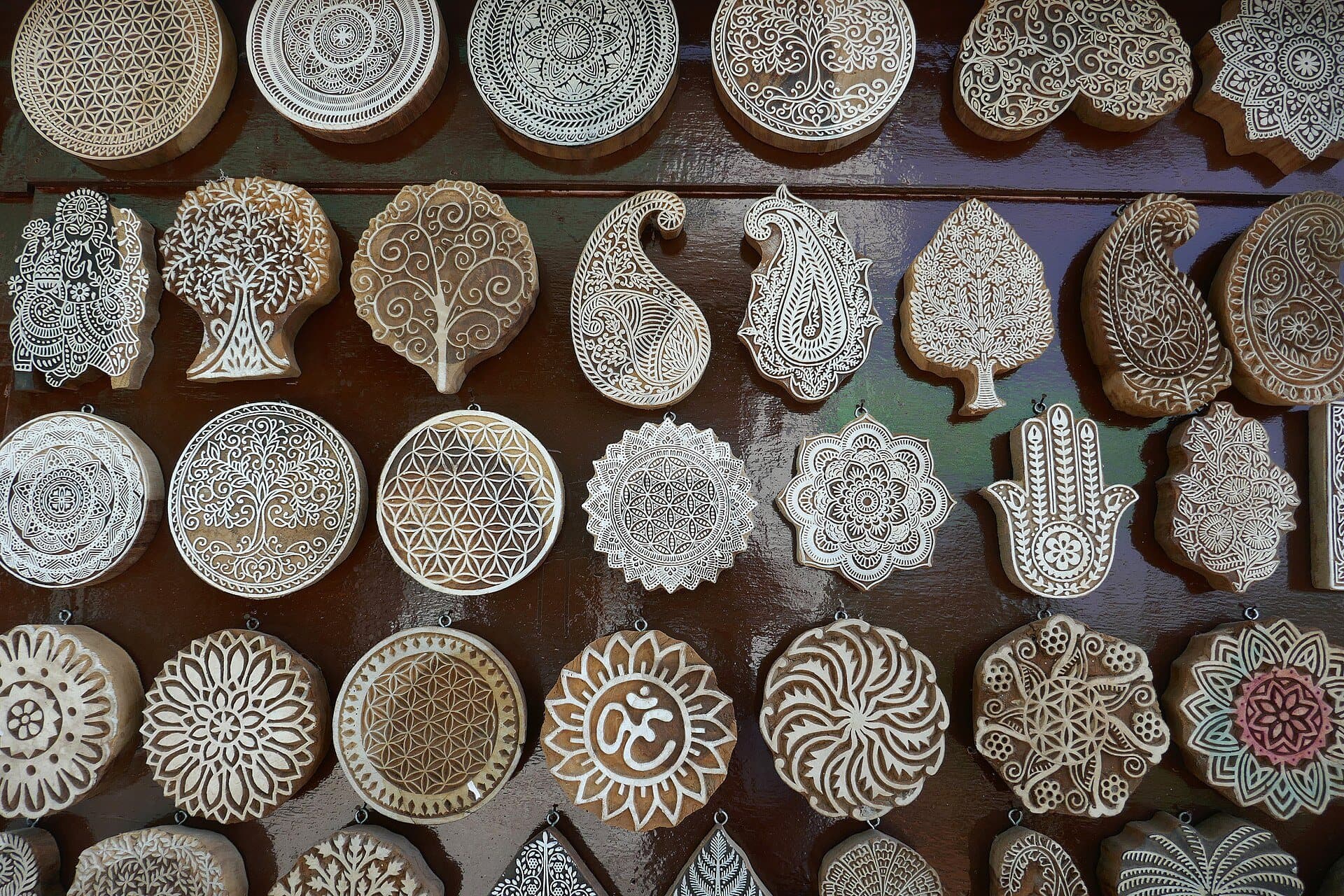
The Art of Sanganeri Printing
Fine florals, careful registration and a town just south of Jaipur — an introduction to one of Rajasthan's best-known textile traditions.
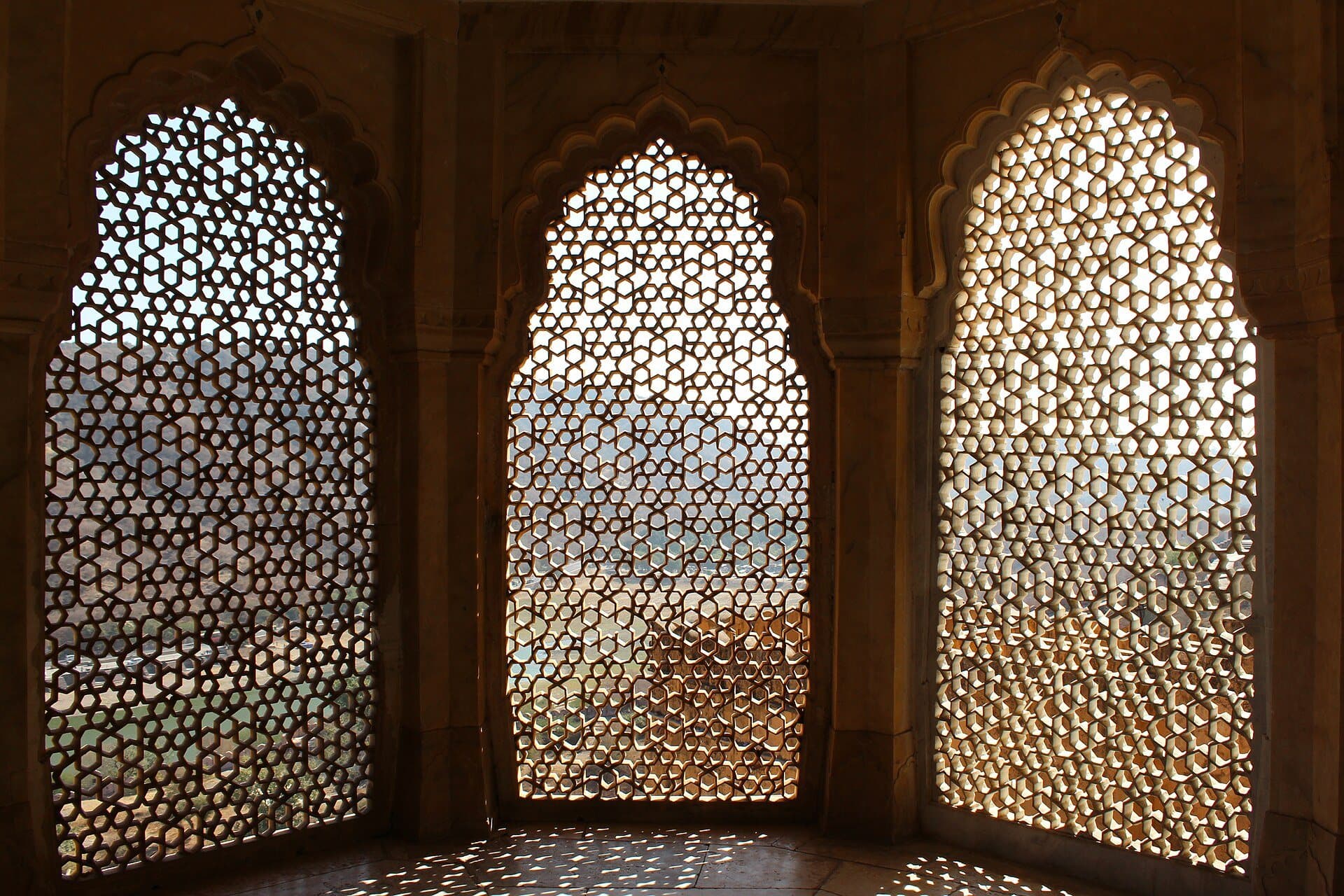
The Architecture Behind Jaipur's Patterns
Arches, screens and a planned city: how Jaipur's built environment shapes a visual language.
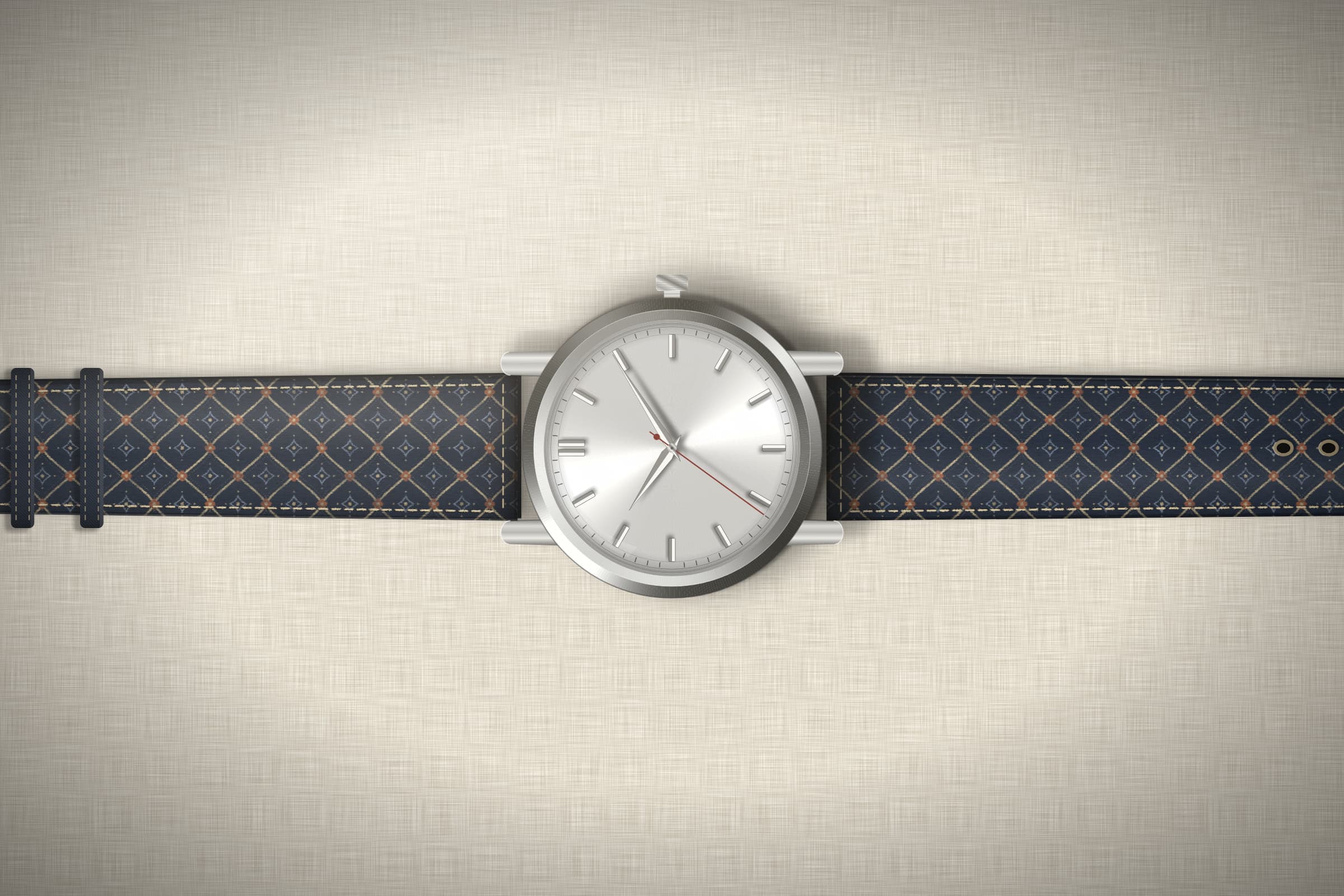
How to Measure Your Watch's Lug Width
The single most important number when buying a replacement strap — and the three ways to find it accurately.