The craft
See the fabricsbehind the design.
Inspired by ≠ made by
A distinction we take seriously.
A design inspired by block printing borrows the visual language of a tradition — its motifs, rhythm and palette. It may be printed by any method.
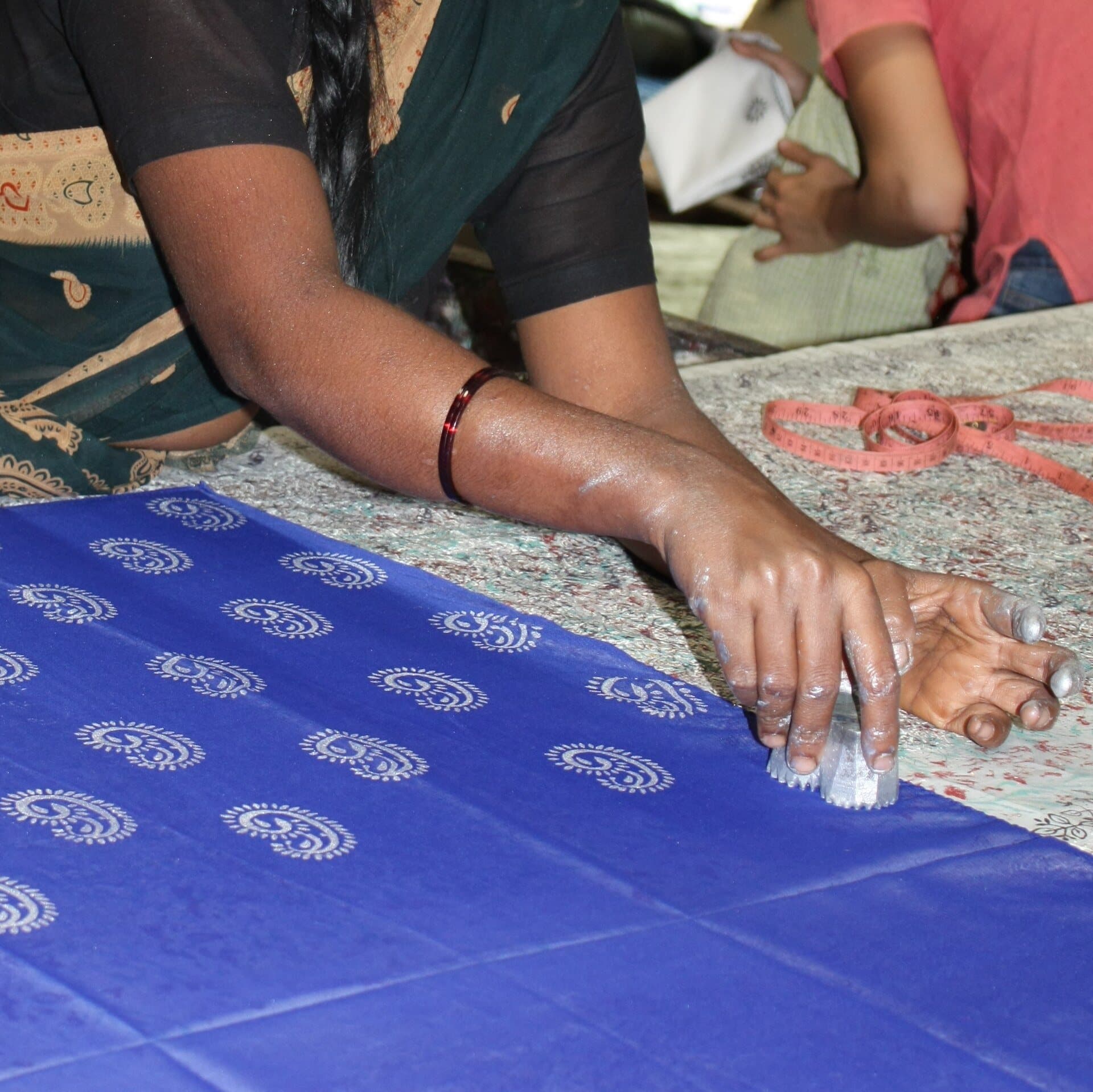
Fabric genuinely hand-block printed was printed by hand with carved wooden blocks — and, for Sanganeri or Bagru printing, in a specific place recognised by a Geographical Indication.
Our product pages will state exactly which stages — fabric source, printing method, assembly — are verified for each strap. Until then, we say “inspired by”, and nothing more.
01 · Textiles
Cloth chosen for a small canvas.
A strap is narrow, flexes thousands of times a day and sits against skin. We are evaluating tightly woven cottons and canvases that hold a fine print, keep their shape when reinforced, and feel comfortable in warm weather.
The exact composition of each strap's fabric will be published on its product page once confirmed with the supplier.
02 · Patterns
Inspired by tradition, drawn from first principles.
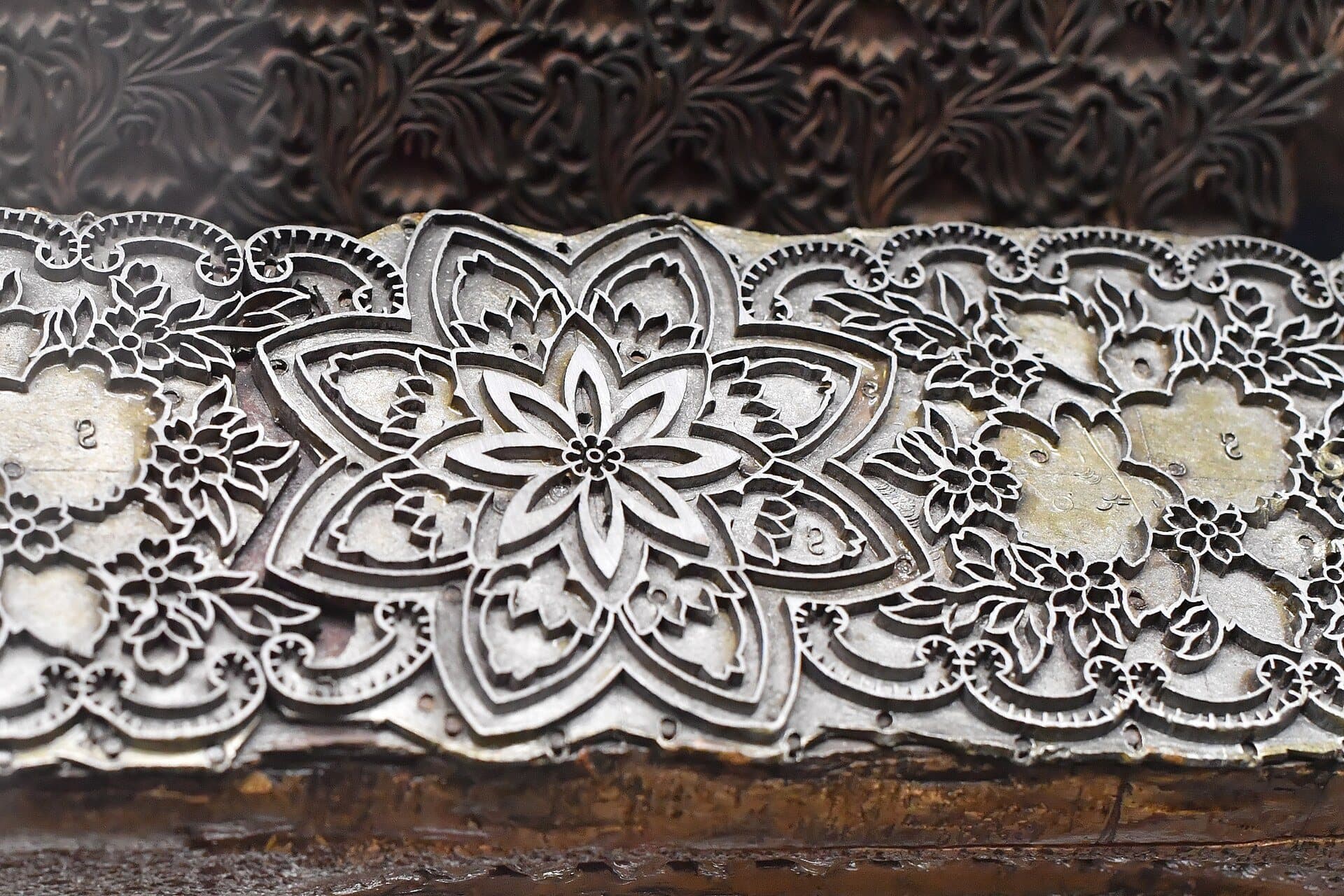
Every TAAROKH print is an original drawing, made at the scale of a watch strap: the Sanganer buti, the Bagru jaal, the Jharokha arcade.
We use the vocabulary of these traditions — scale, repetition, palette — without copying any existing block, protected artwork or building.
03 · Construction
Three layers, stitched with intent.
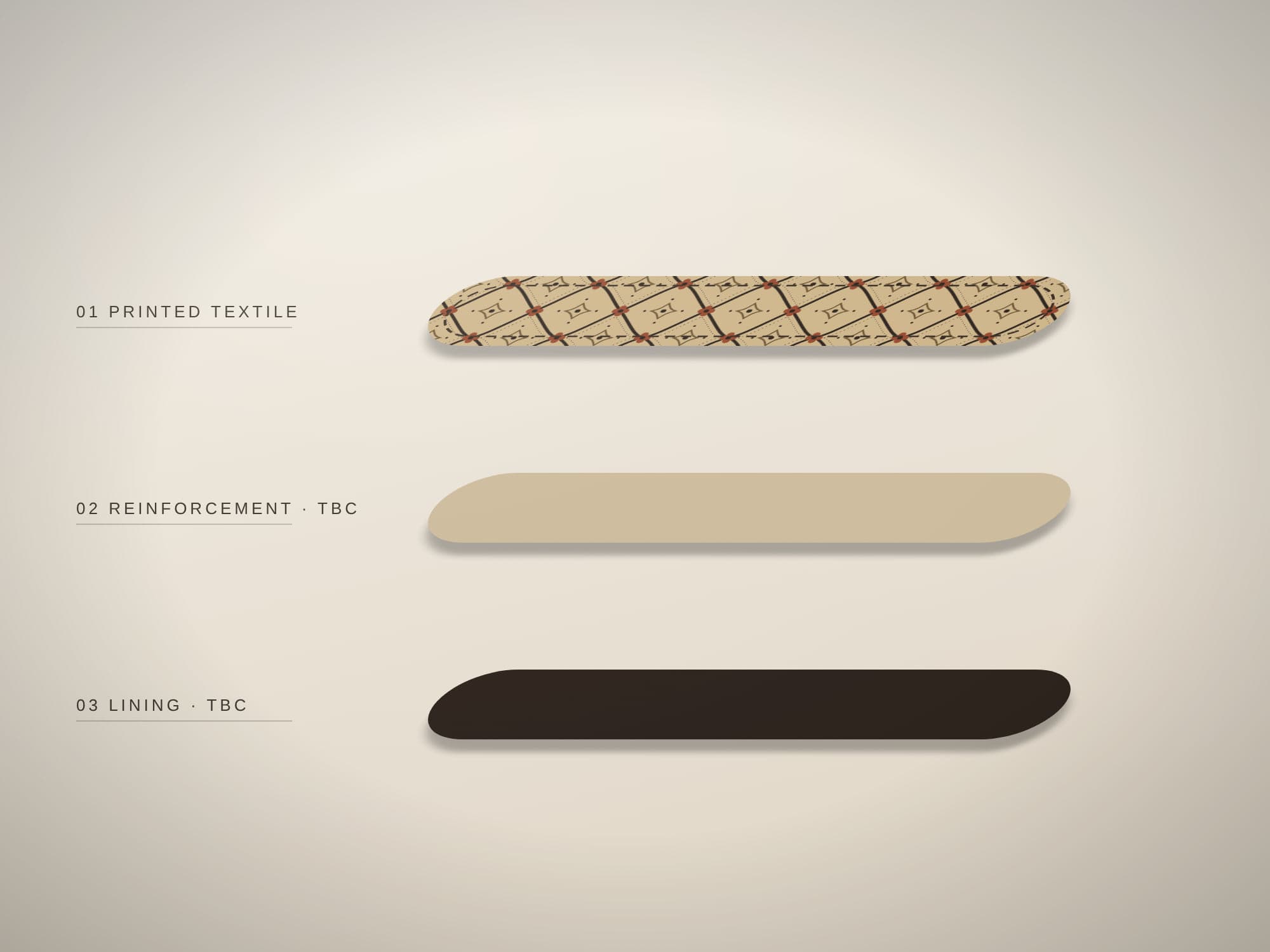
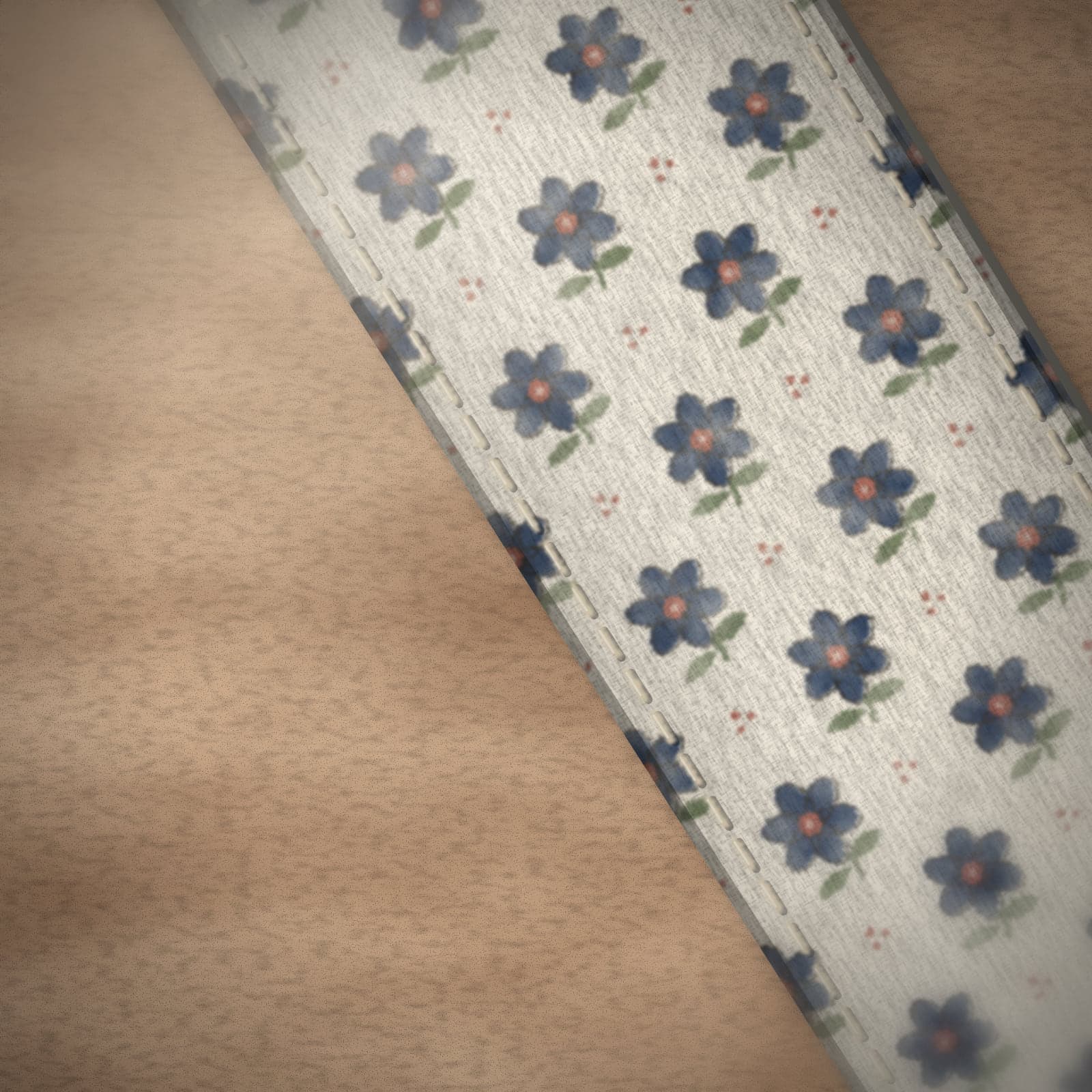
A printed outer, an inner reinforcement for structure, and a comfort lining. Stitching runs along both edges, with extra reinforcement where the strap takes most strain: around the spring bar and at the buckle.
Reinforcement and lining materials are chosen and tested with the maker during sampling.
04 · Materials
Hardware that disappears.
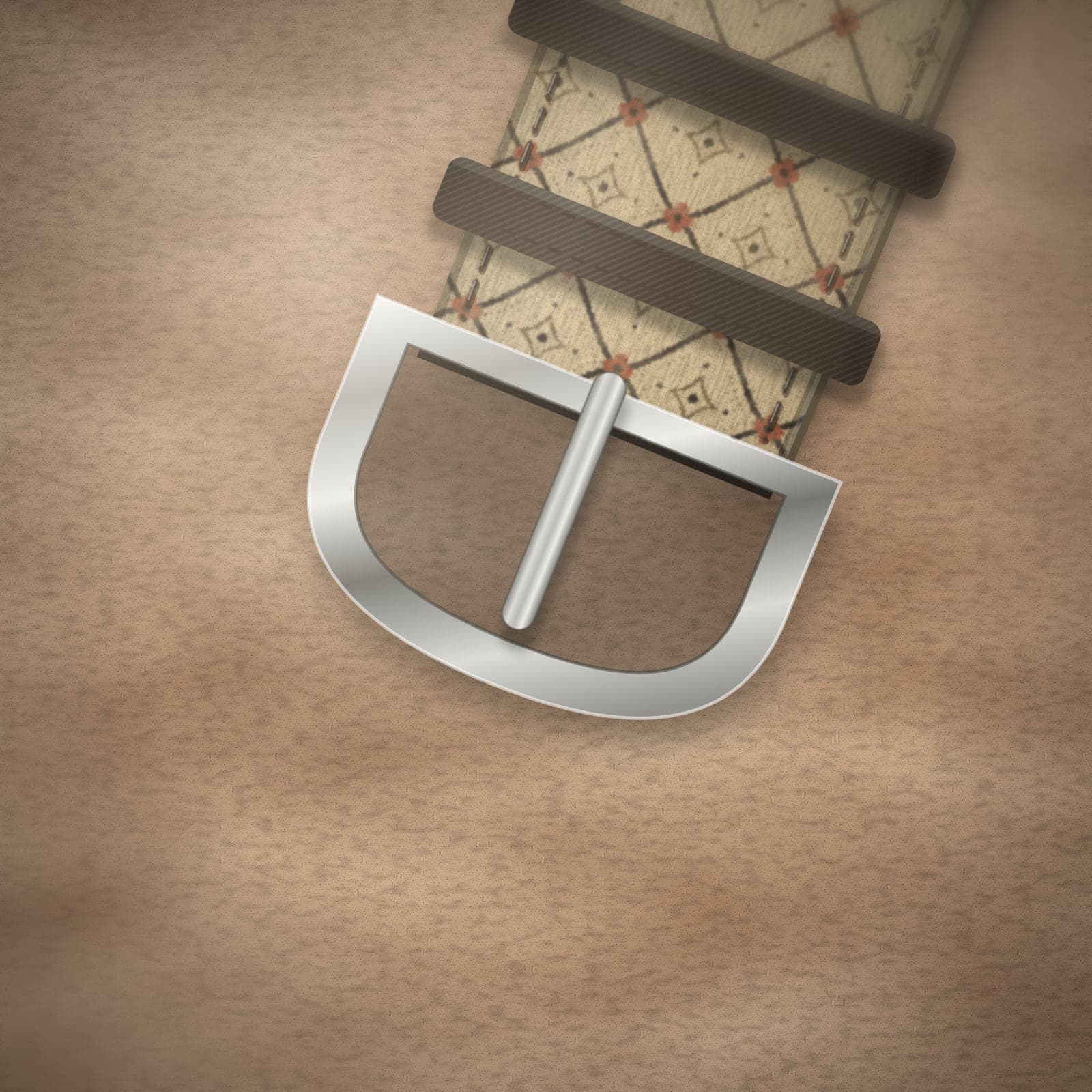
A corrosion-resistant tang buckle sized to the strap's taper, and correctly dimensioned spring bars. Quick-release bars will only be offered once strength, tolerance and fit checks pass.
05 · Finishing
Edges that stay clean.
Fabric edges are where cheap straps fail first. Ours are sealed and tested against fraying and delamination, and samples are inspected under consistent light for loose ends and uneven tension before any batch is approved.
Quality gates
What a sample must pass before it goes on sale.
1
Dimensional inspection
Width at each lug end, buckle width, hole spacing and finished lengths checked with calipers.
2
Wear trial
At least seven days of ordinary wear across several testers and wrist sizes, recording comfort, slipping and rough edges.
3
Colourfastness screen
Damp-cloth rub and sweat-exposure checks; formal textile testing where a claim requires it.
4
Mechanical inspection
Repeated attachment cycles, buckle operation, stitch integrity and careful pull testing.
5
Fit verification
Fitted to several watches with standard 18, 20 and 22 mm lugs, recording any clearance problems. No universal-fit claims.
06 · Care
Looking after a textile strap.
- Keep dry when possible — treat it as a textile accessory, not a waterproof strap.
- Wipe gently with a soft, dry cloth. Do not machine wash.
- Remove for swimming, showering and heavy exercise.
- Store flat, away from direct sunlight.
Credits & collaborations
Named only with permission.
We intend to work with textile printers and strap makers, and to credit them by name. Partners, places and dates will appear here only once collaborations are real, documented and approved by the people involved.