Style
How to Style a Dress Watch
Proportion, restraint and the strap that ties it together.
· 1 min read
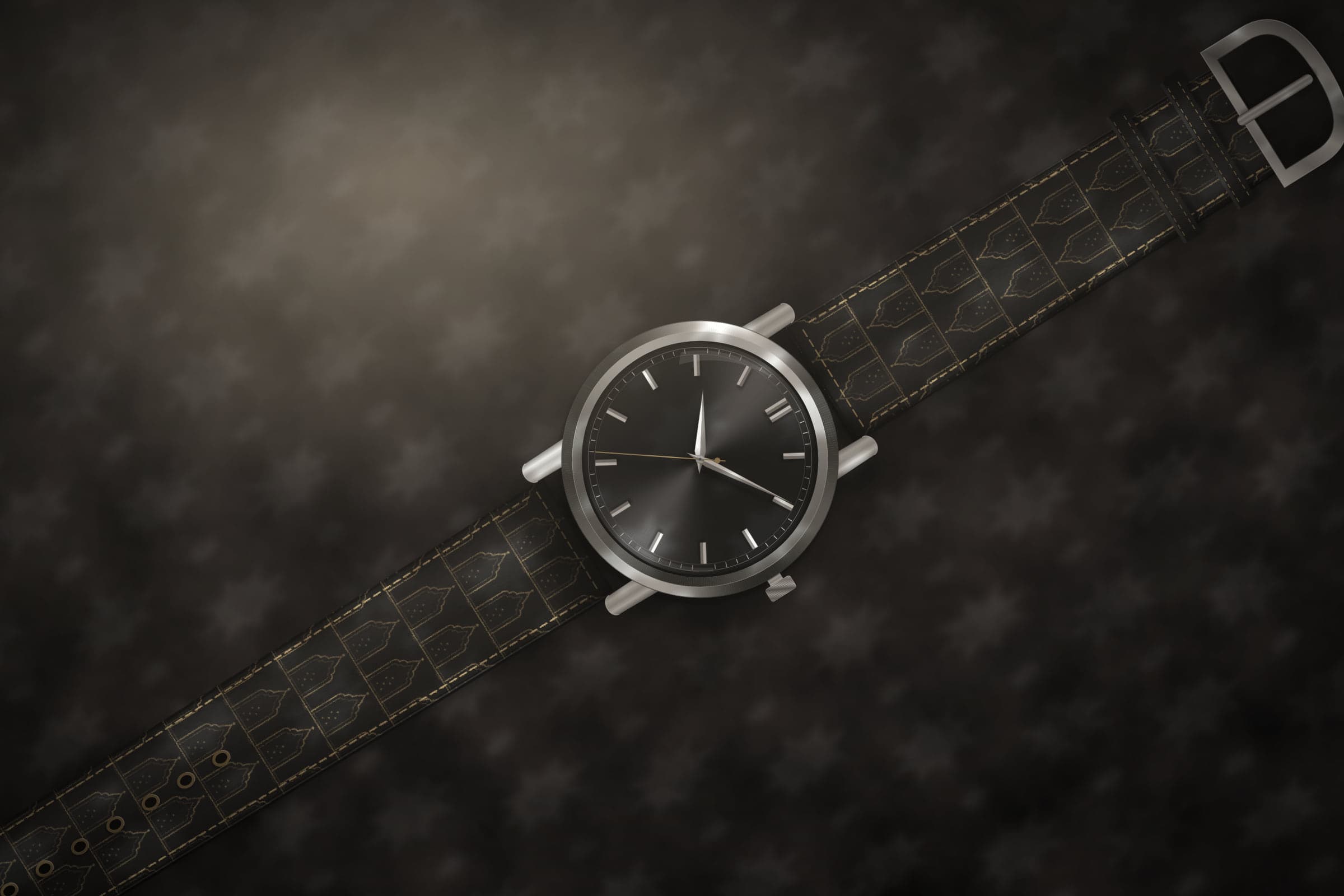
A dress watch is defined less by rules than by intent: a simple, legible dial, a relatively slim case, and a design that sits quietly under a shirt cuff.
Proportion first
A dress watch should slide under a cuff rather than fight it. Thinner cases are traditional, and modest diameters tend to look more considered than oversized ones. The strap should follow suit: slim and tapered, rather than thick and padded.
Dial and metal
- White, ivory and silver dials are the most classic and pair with almost anything.
- Deep blue and black dials feel more evening-appropriate.
- Try to keep metals in conversation: a steel watch beside steel cufflinks, a gold watch beside gold.
The strap
Traditionally, a dress watch is worn on smooth leather in black or brown. That remains a reliable choice — but it is not the only one. A strap with a fine, low-contrast pattern can add character without breaking formality, provided:
- the pattern is small and quiet enough to read as texture from a distance;
- the colours echo the dial or the clothes;
- the strap is slim and well finished, with a buckle that matches the case.
Our Jharokha studies were drawn with exactly this in mind: a single fine line on a dark ground, designed to look plain at a glance and reveal its detail up close.
Occasions
Formal events reward restraint. Weddings and celebrations allow more colour and pattern. At work, follow the dial: if the watch is simple, the strap can carry a little more personality.
Find a strap that fits.
Explore the collectionFurther reading
All stories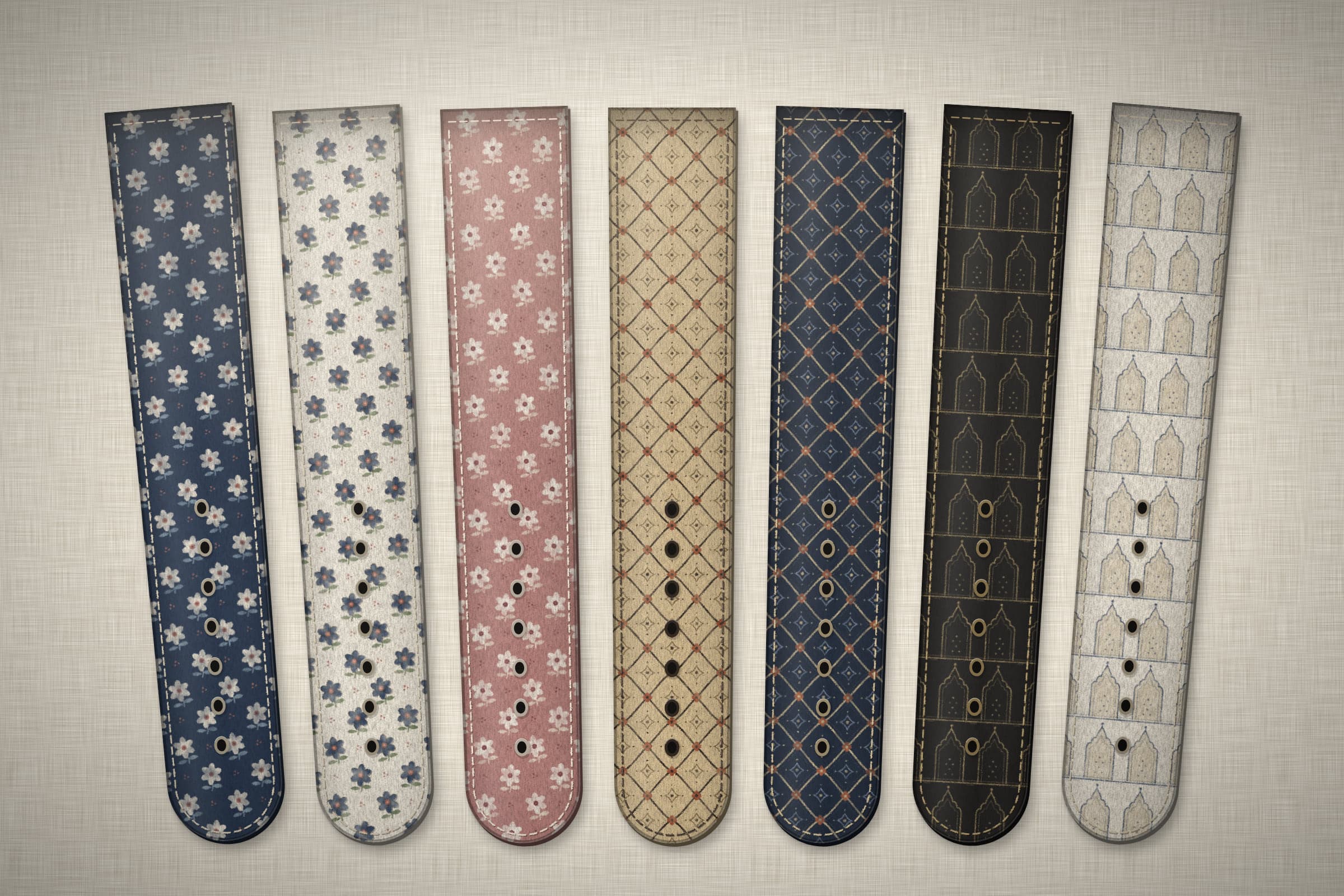
How to Choose the Right Watch Strap
Width, length, material and colour — a practical sequence for choosing a strap you'll actually wear.
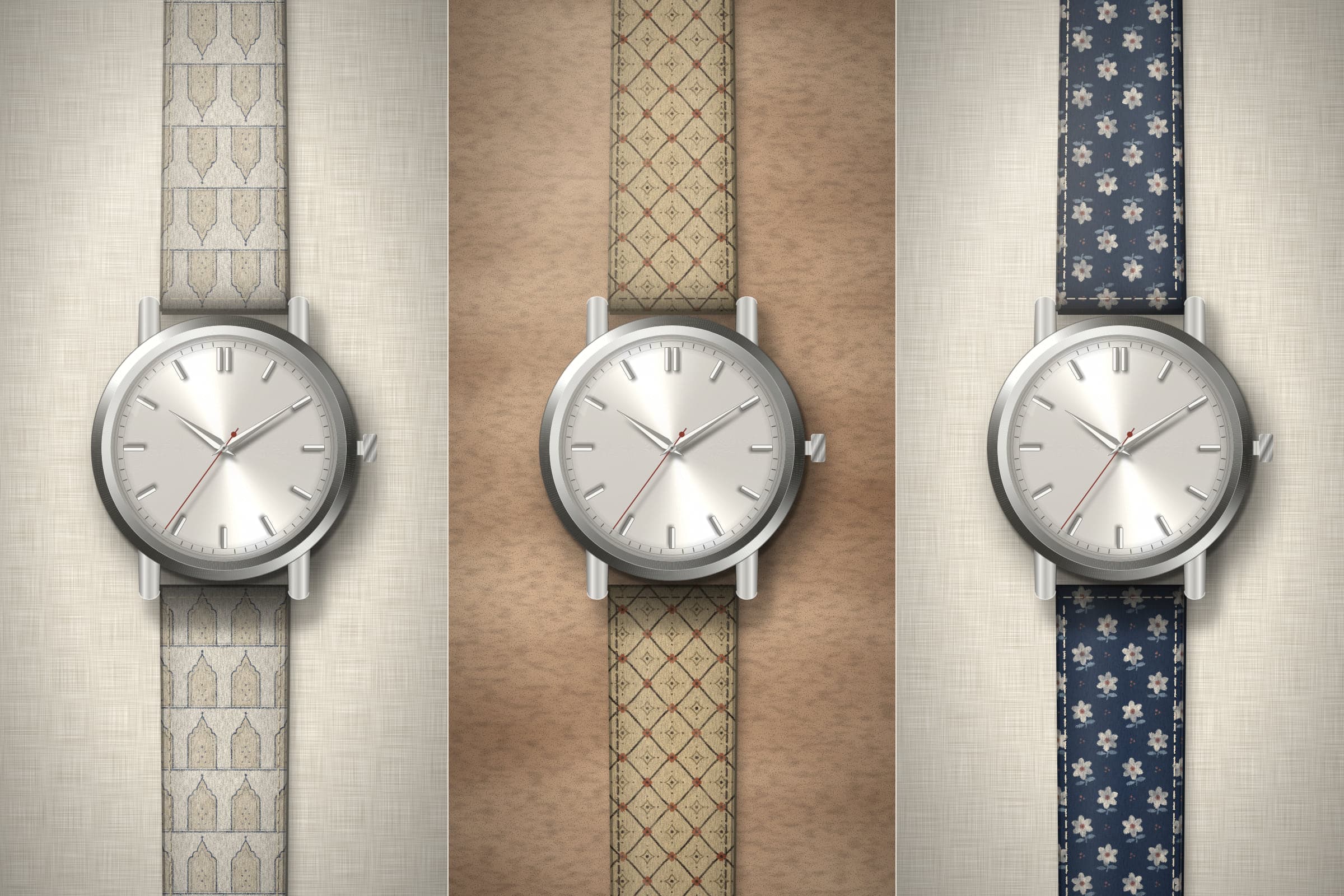
Why the Strap Changes a Watch's Character
One watch, three straps, three different personalities.
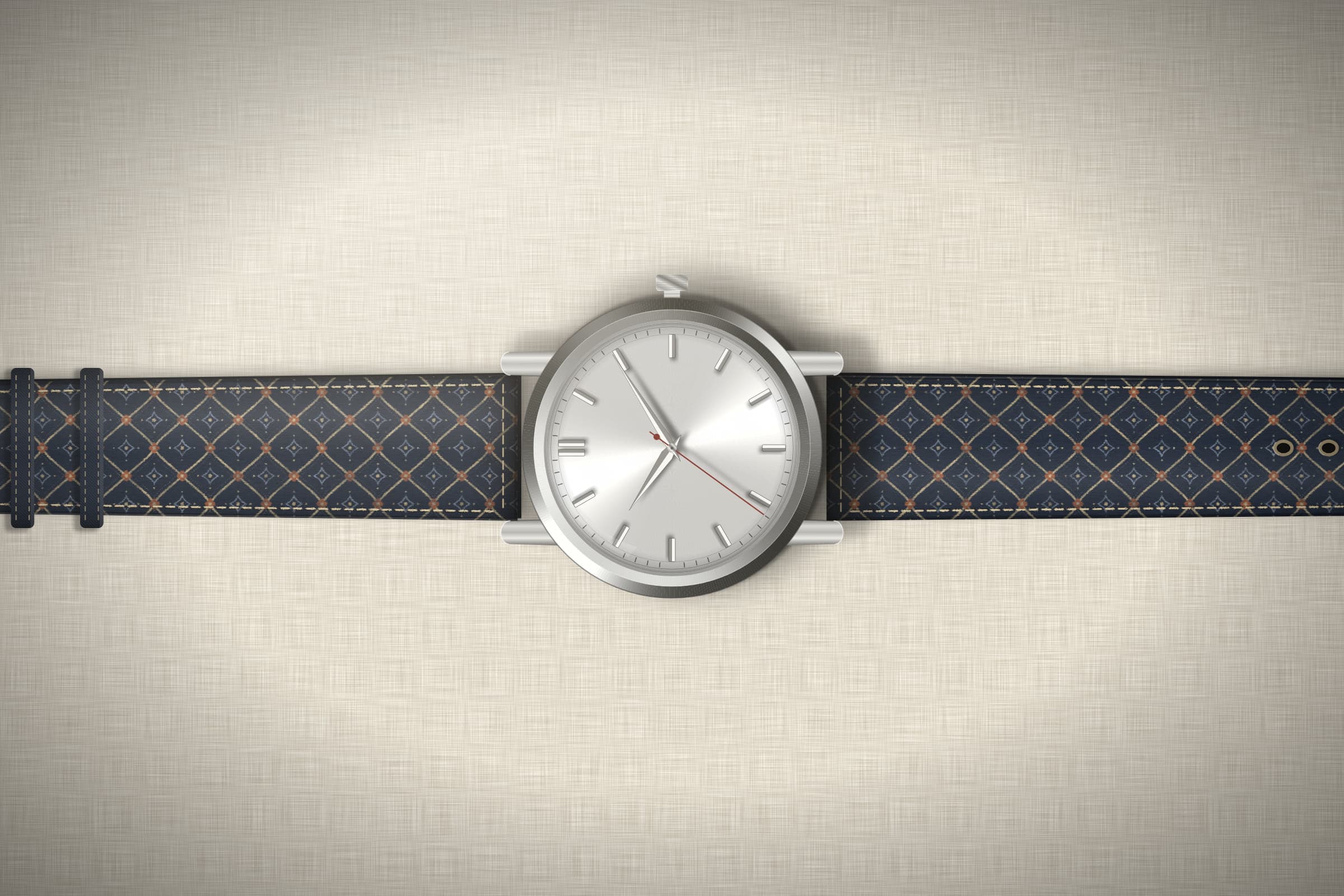
How to Measure Your Watch's Lug Width
The single most important number when buying a replacement strap — and the three ways to find it accurately.