Watch Knowledge
A Beginner's Guide to Mechanical Watches
Mainsprings, escapements and why a watch without a battery keeps running.
· 2 min read
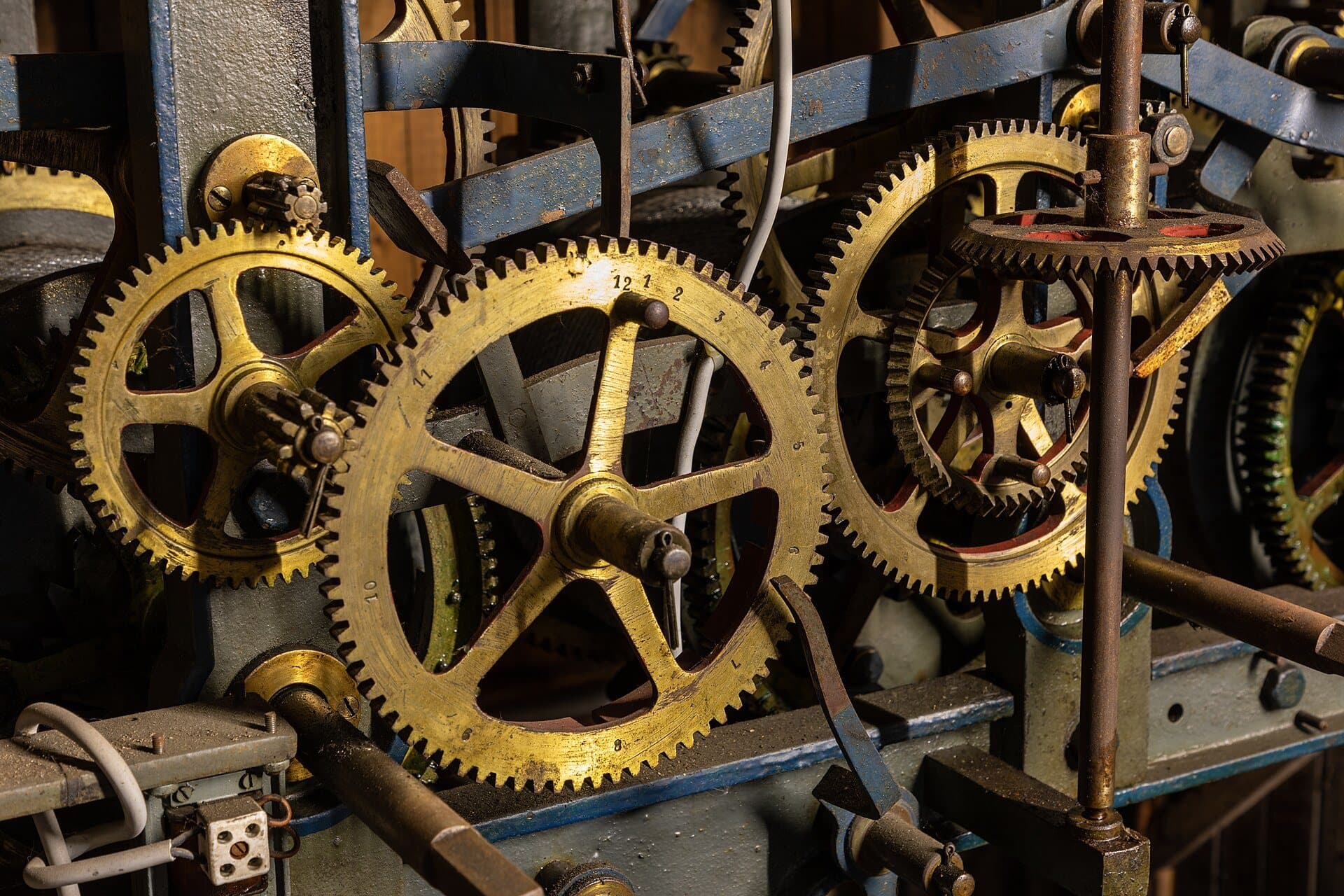
A mechanical watch keeps time with springs and gears rather than a battery and an electronic circuit. For many people, that is precisely its appeal.
How it works
At its simplest, a mechanical movement has five parts working together:
- The mainspring is a coiled spring that stores energy when the watch is wound.
- The gear train carries that energy from the mainspring towards the regulating parts, and drives the hands.
- The escapement releases the energy in small, regular steps. It is responsible for the familiar ticking.
- The balance wheel and its hairspring oscillate back and forth at a steady rate, regulating the escapement.
- The dial train and hands translate the movement's steady motion into hours, minutes and seconds.
Manual and automatic
A manual-winding watch is wound by turning the crown. An automatic (self-winding) watch contains a rotor — a weighted segment that turns as the wrist moves — which winds the mainspring. Many automatics can also be wound by hand.
The power reserve is how long a fully wound watch runs before stopping. Common figures range from around a day and a half to several days, depending on the movement.
Mechanical and quartz
A quartz watch uses a battery and a quartz crystal that vibrates at a precise frequency. Quartz watches are generally more accurate and need little attention. Mechanical watches are valued for their craftsmanship, their sweeping seconds hands and the absence of a battery — and they reward a little care.
Living with a mechanical watch
- Expect some variation in daily accuracy; manufacturers publish tolerances for their movements.
- Keep it away from strong magnets, which can affect the hairspring.
- Avoid hard knocks.
- Have it serviced at the intervals the manufacturer recommends.
Changing the strap is one of the simplest, safest ways to refresh a mechanical watch. Use the correct tool, work over a soft surface, and if the watch is valuable, consider asking a professional.
Find a strap that fits.
Explore the collectionFurther reading
All stories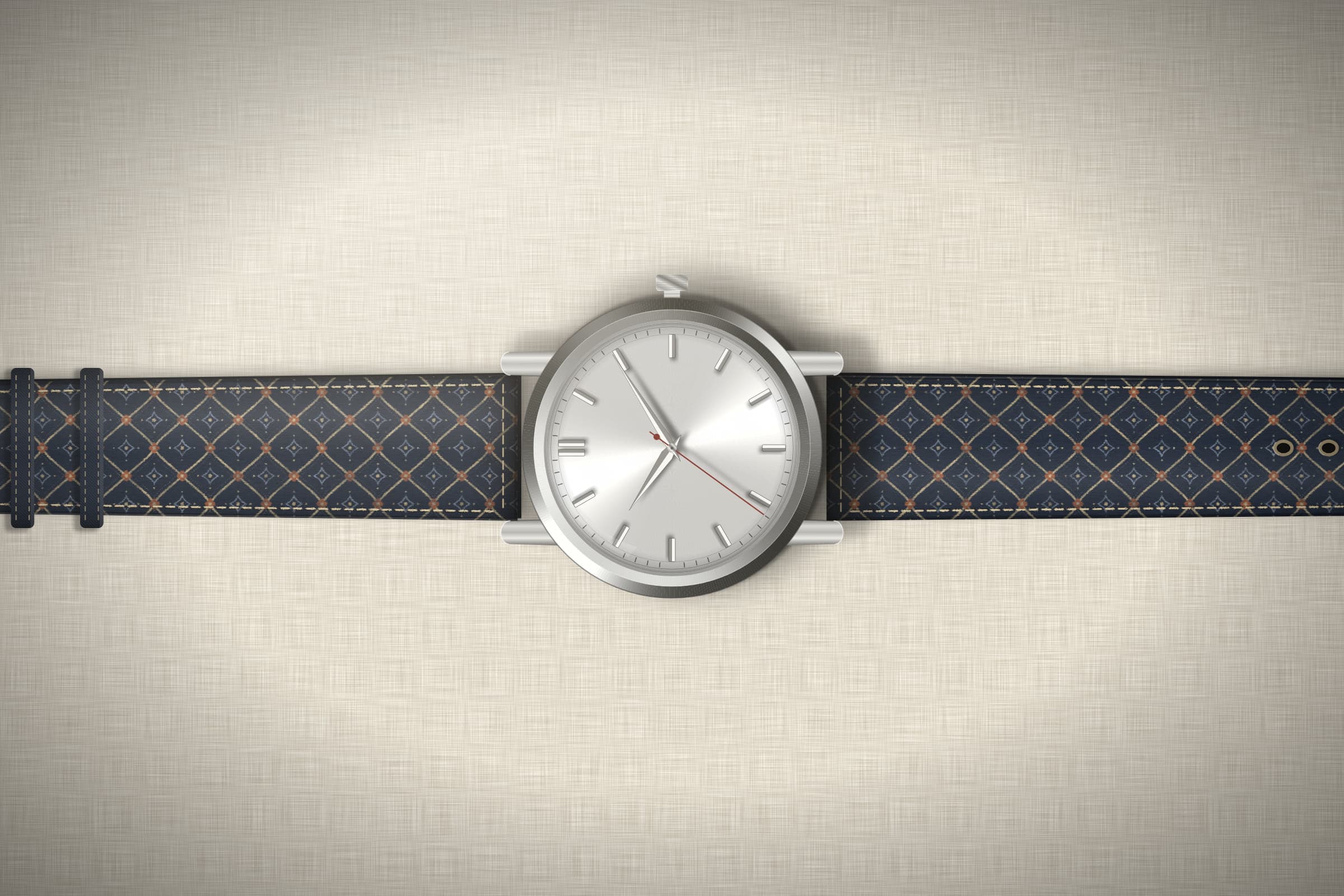
How to Measure Your Watch's Lug Width
The single most important number when buying a replacement strap — and the three ways to find it accurately.
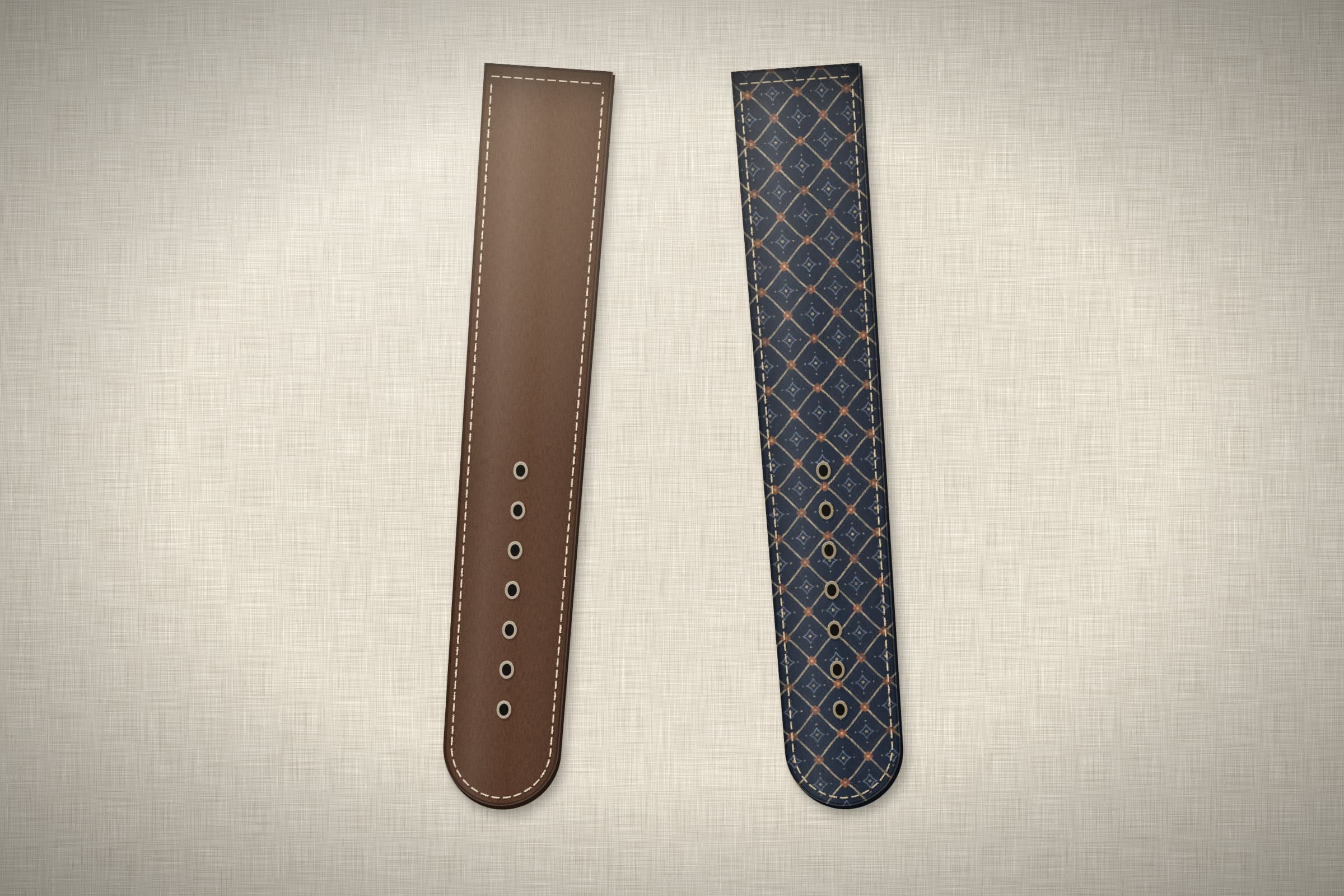
Leather vs Fabric Watch Straps
Two very different materials, each with its own strengths. An honest comparison.
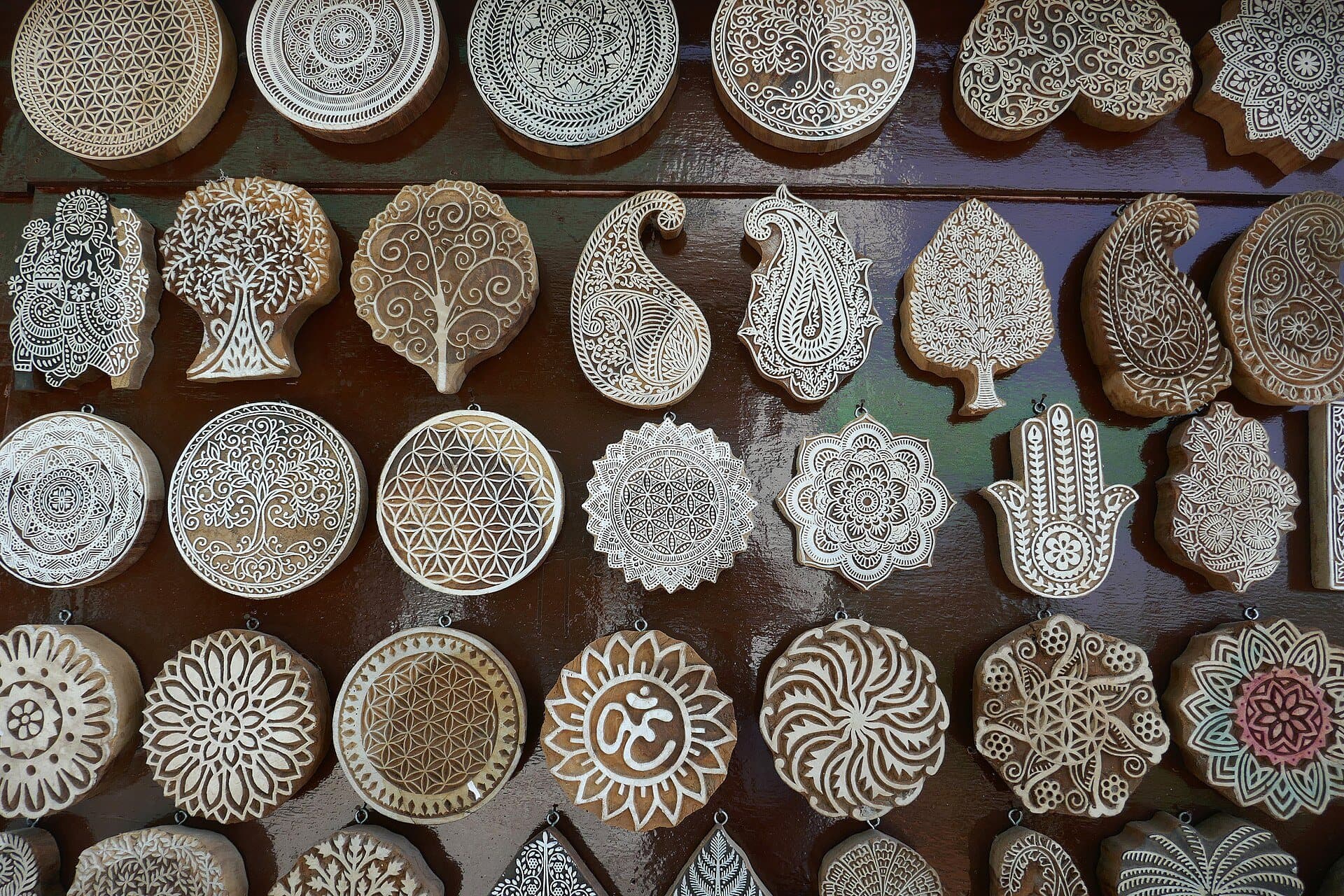
The Art of Sanganeri Printing
Fine florals, careful registration and a town just south of Jaipur — an introduction to one of Rajasthan's best-known textile traditions.